

Winter Storm Fern Dumps Snow and Ice, Leaves at Least 41 Dead Nationwide
United States
Published · Updated

Watch Live Videos
Download Citizen










Summary
- A large, long-duration winter storm is sweeping from the central and southern U.S. to the East Coast from Friday through Monday, bringing heavy snow, sleet, and freezing rain.
- Snow totals have topped one foot in some areas, while significant ice buildup across the South has triggered widespread power outages. At least 41 people have died nationwide, including storm-related accidents and cold exposure. The storm has impacted more than 235 million people.
- Hundreds of thousands remain without power as of Sunday night, with the hardest-hit states including Mississippi, Louisiana, and Tennessee. Nearly 12,000 flights have been canceled, and hazardous travel conditions continue across large parts of the country.
- Behind the storm, dangerously cold air is moving in, raising the risk of frostbite and other cold-related illnesses. Below-normal temperatures may linger into early February, slowing recovery efforts and extending snow, ice, and infrastructure impacts.
Timeline
The death toll has risen to at least 41 people in 13 states.
At least 30 people are dead from the storm.
In New York City, officials now say [at least eight people](https://go.citizen.com/bSyNBPdLf0b) were found dead outdoors over the weekend.
The estimated death toll from Winter Storm Fern has risen to at least 26.
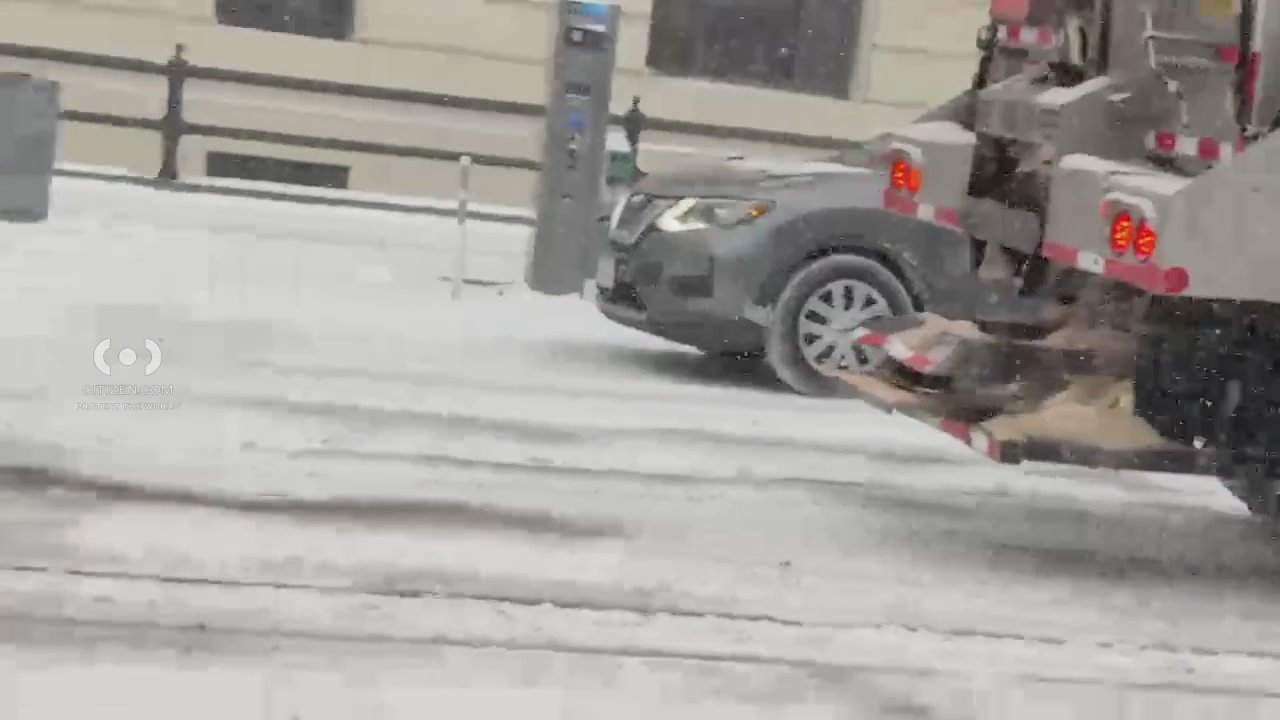
Winter Storm Fern has killed at least 18 people nationwide, including two teens in sledding accidents in Texas and Arkansas. At least seven people were found dead outdoors in New York City, a retired NYPD officer died while shoveling on Long Island, and three people died clearing snow in Pennsylvania. A woman was killed by a snowplow in Massachusetts, and hypothermia deaths were reported in Texas, Tennessee, and Louisiana as the storm impacted 235 million people with snow and dangerous cold.
The snow and sleet is expected to continue into Monday, with low temperatures following for days after.
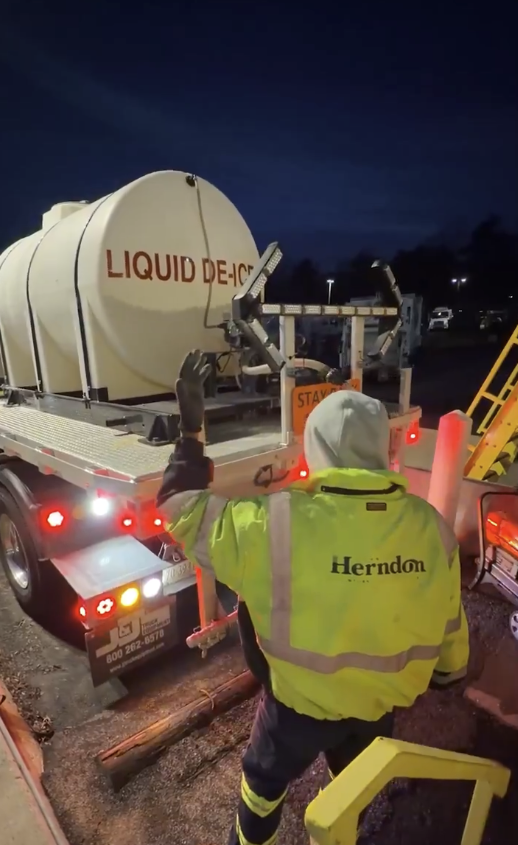
Trees and power lines have been snapped due to ice accumulation, causing widespread power outages especially in the southeast.
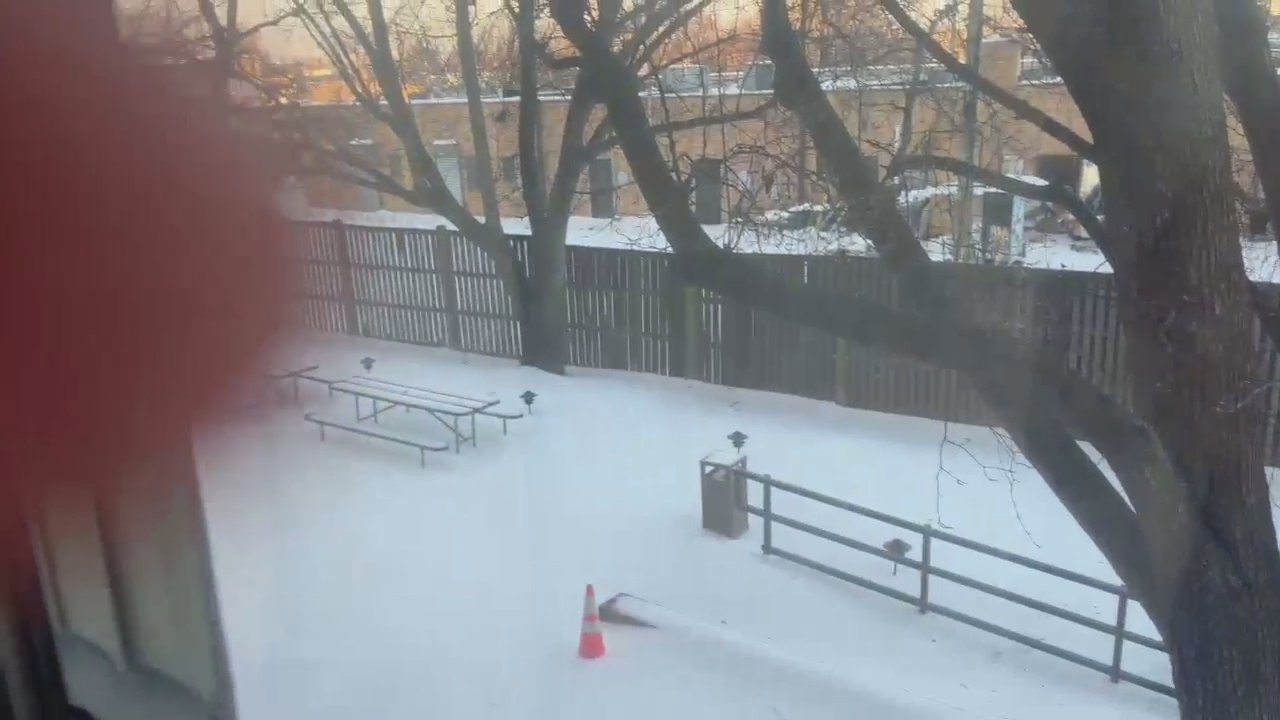
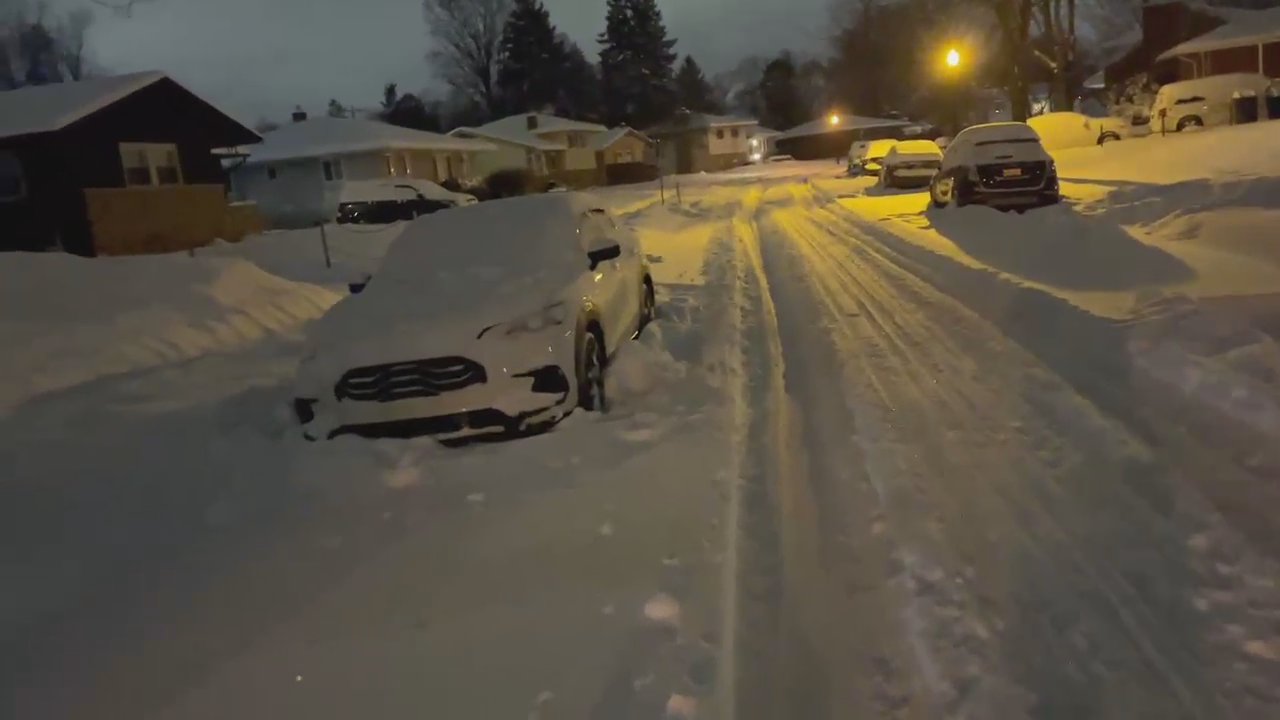
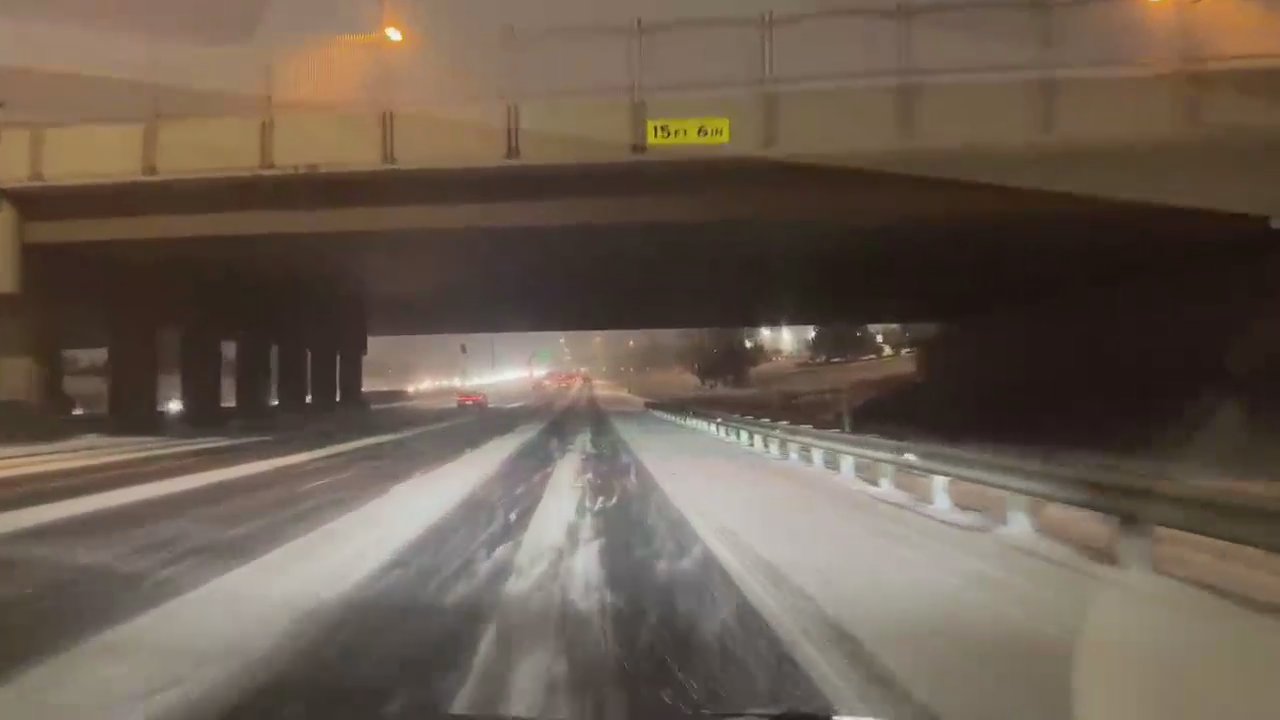
Video from Austin, Texas shows snow covering residential yards and the highway.
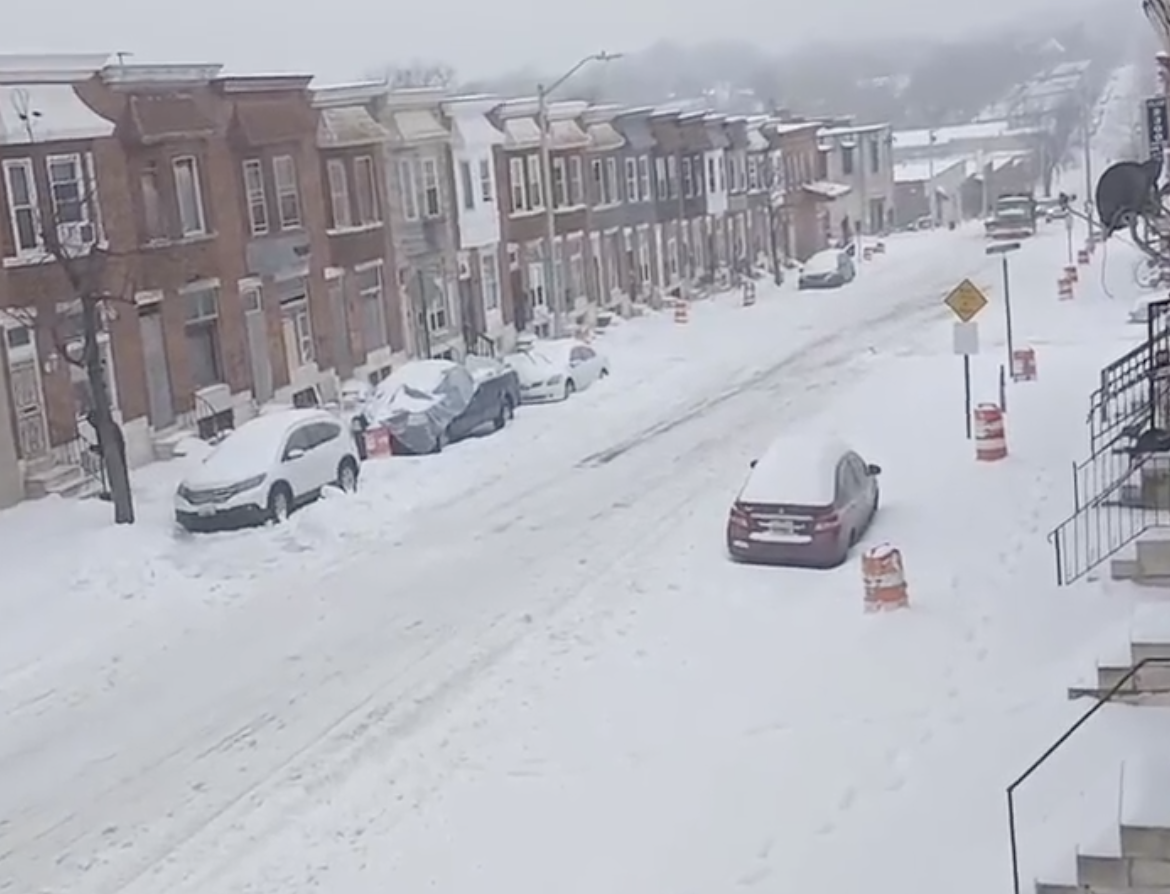
A video out of Baltimore shows a snow plow getting stuck in the street.
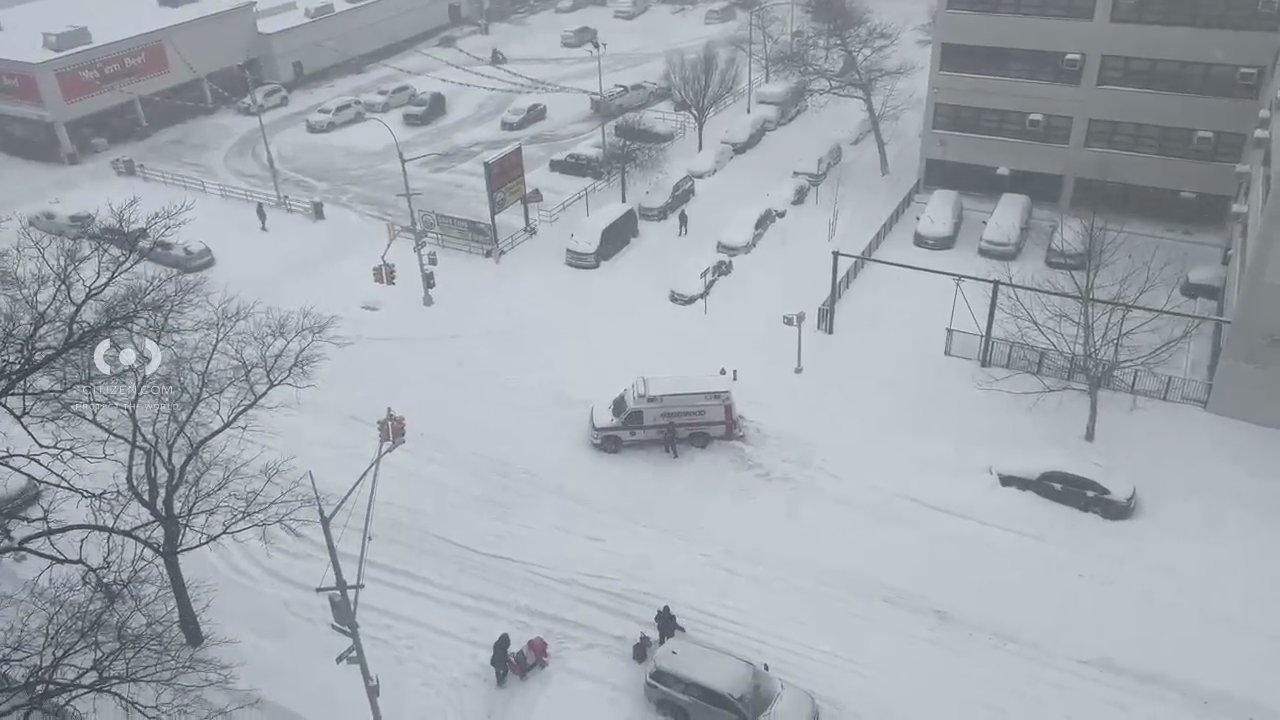
One video from New York City shows a resident snowboarding down a street, while another shows an ambulance stuck in the snow.
Almost 12,000 flights have been cancelled, per NBC News.
At least eight deaths have been reported amid the storm thus far. Two people have died of hypothermia in Louisiana, while a third person in Texas also died from apparent hypothermia. Five people have died in New York City, although it's unclear if they were related to the weather.
Nearly 1 million people were without power as of Sunday evening, per PowerOutage.US. Much of the outages are concentrated in the South, including Tennessee, Mississippi, and Louisiana totaling hundreds of thousands. At one point, the total exceeded one million.
The forecast has forced airlines to cancel or delay thousands of flights at major airports, including Atlanta, New York, and Boston. Over 100,000 people lost electricity as the storm damaged infrastructure and created dangerous road conditions.
Officials recommend visiting Ready.gov for storm safety guidance and preparedness tips.
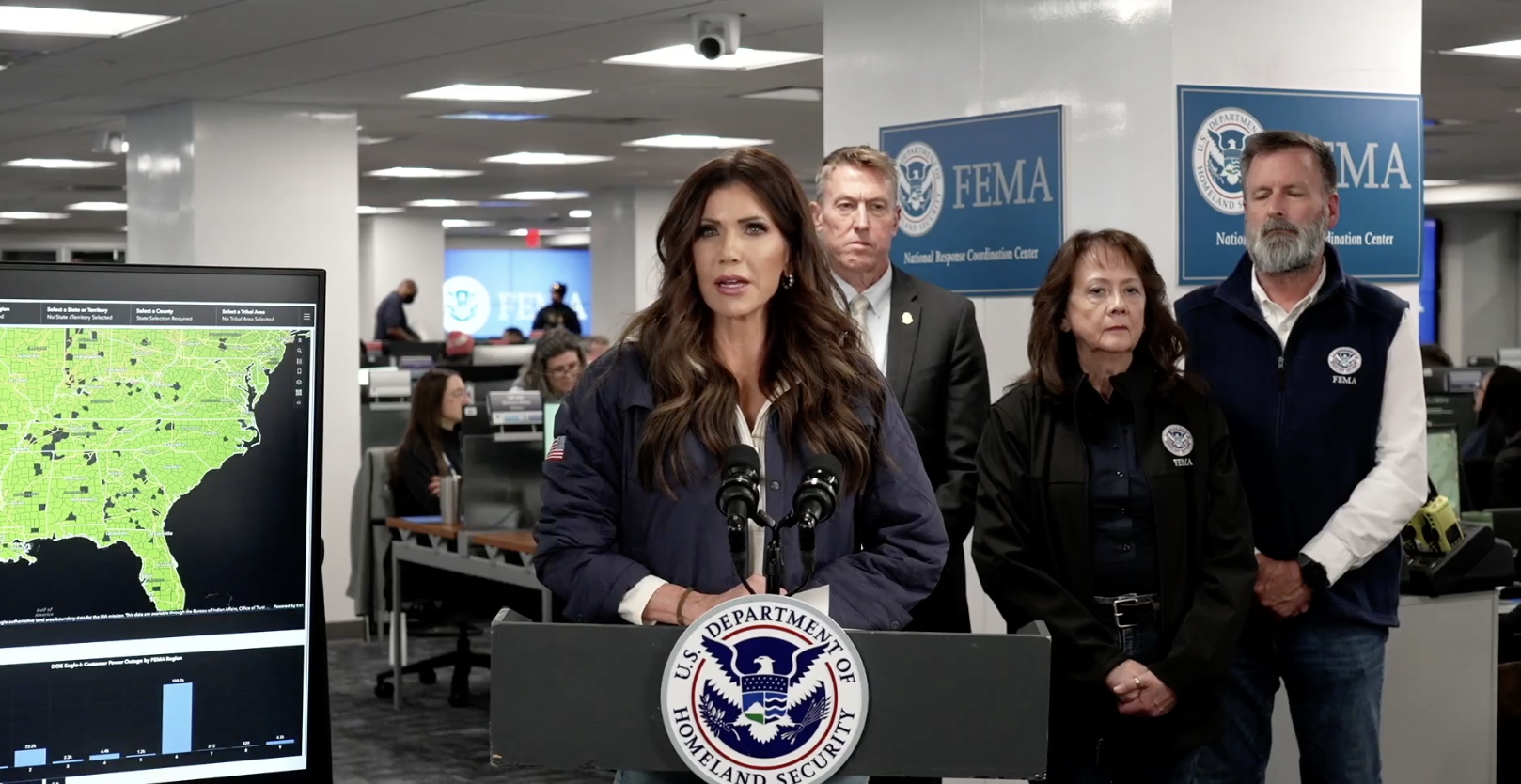
Urban search and rescue teams and incident management teams are staged and ready to deploy if needed, officials said.
Seventeen states and Washington, D.C. have declared states of emergency. Several federal emergency declarations have already been approved.
Officials warned of widespread power outages, downed trees, and dangerous travel conditions, particularly across the Midwest, South, and East Coast.
Officials said local and state partners are receiving guidance and support to help residents prepare for prolonged weather impacts into next week.
FEMA has activated its National Response Coordination Center and is working with state and local agencies to preposition resources ahead of the storm.
The address reported for this incident has changed to United States.
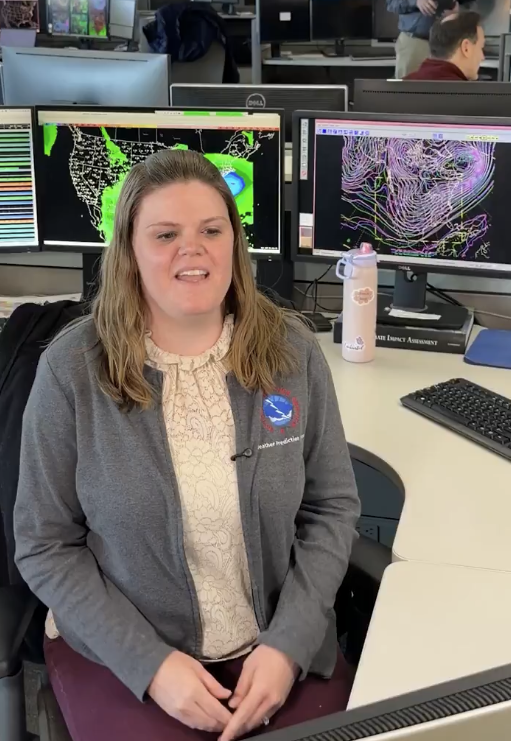
The National Weather Service (NWS) reports that the major winter storm is expected to bring a "catastrophic ice accumulation from the Southern Plains to the Southeast," as well as "cold temperatures and dangerously cold wind chills from the Southern Plains to the Northeast."
According to Samdesk, the following fourteen states have declared a State of Emergency ahead of the incoming winter storm: Alabama, Arkansas, Georgia, Kansas, Kentucky, Louisiana, Mississippi, Missouri, New York, North Carolina, South Carolina, Tennessee, Texas, and Virginia.
Airports across large portions of the country may experience operational disruptions due to low ceilings, poor visibility, icing, and turbulence. Delays and cancellations are possible through early next week.
For those who must travel, preparation is critical. Ensure vehicles are winter-ready, routes are shared with others, and emergency supplies are available in case conditions worsen.
Travel conditions may deteriorate rapidly across affected regions due to snow, ice, and reduced visibility. Officials recommend avoiding unnecessary travel whenever possible.
Hazardously cold temperatures following the storm may extend impacts well beyond snowfall and ice, increasing risks to people, pets, and infrastructure.
Cold weather alerts currently affect around 106 million people, with warnings and advisories expected to expand southward and eastward as colder air settles in behind the storm.
Significant ice accumulation is likely in the hardest-hit areas, with potential impacts including: - Long-duration power outages - Extensive tree and utility damage - Extremely dangerous or impassable travel conditions.
Widespread freezing rain and sleet are forecast south of the primary snow axis, affecting parts of the Southern Plains, Lower Mississippi Valley, Tennessee Valley, Southeast, and southern Virginia.
Heavy snow is expected across a broad corridor from the Southern Rockies and Plains through the Midwest, Mid-Atlantic, and Northeast. Some locations may receive snowfall totals exceeding 12 inches, increasing the likelihood of widespread disruptions.
More than 160 million people are affected by winter weather hazards associated with this storm system as it continues moving east through the weekend, according to officials.
Snow and ice amounts can vary from neighborhood to neighborhood. Conditions and forecasts may change. Focus on safety rather than exact numbers. Stay informed and be ready to adjust plans.
Below-normal temperatures may continue into early February in parts of the country. Snow and ice may melt slowly. Travel and recovery efforts could take longer than usual.
In some areas, it may be cold enough to cause frostbite in just minutes. People without proper heat or shelter are especially at risk. Power outages could make conditions more dangerous. Limit time outdoors and check on others if it is safe to do so.
Very cold air will move in behind the storm this weekend. Wind will make it feel even colder. The risk of cold-related illness will increase.
Short bursts of heavy snow are expected in parts of the Northeast on Thursday and Friday. Visibility could drop suddenly, and roads could become slippery within minutes. Conditions can change without warning. Drivers should slow down and stay alert.
Freezing rain is expected in parts of the South and Southeast. Ice buildup on trees and power lines could cause power outages and falling debris. Roads may become extremely slick or impassable. Even small changes in the storm could shift where the worst ice occurs.
Heavy snow is likely to hit a wide stretch of the country, including parts of the Plains, Midwest, Mid-Atlantic, and Northeast. Some areas could see more than a foot of snow.
A massive winter storm is expected to affect much of the country from Friday through Monday. Snow, ice, and freezing rain will spread from the central U.S. to the East Coast. Travel could become difficult or unsafe in many areas. Some impacts may last into next week.
Incident reported at The National Weather Service.
Stay up-to-date
Download CitizenComments30

Please BRING your ANIMALS inside 🙏❤️

@vannuys81 bro the snow was in the street

Pray for the homeless

@Fatshiiwitdakeysdogitintherain Sorry, but all the money to take care of them went to illegal pedophiles

🙏 do not leave ANY animals outside! Stay well all 🙏 🤲

Just a reminder for those with fish - take precautions now in case of power outages, frozen pipes, etc. Aluminum foil and blankets can help to keep the heat in. Purchase propane stoves to heat water, and of course cook food for yourselves etc. Fill up the bathtubs with water. Trickle water from hoses/irrigation to help keep pipes from freezing. Pack emergency winter packs in cars, blankets, jackets, gloves, hand warmers, etc. in case you must travel. Stay safe all!

THIS!!! AND...an emergancy flashlight that blinks!!
Please BRING your ANIMALS inside 🙏❤️
@vannuys81 bro the snow was in the street
Pray for the homeless
@Fatshiiwitdakeysdogitintherain Sorry, but all the money to take care of them went to illegal pedophiles
🙏 do not leave ANY animals outside! Stay well all 🙏 🤲
Just a reminder for those with fish - take precautions now in case of power outages, frozen pipes, etc. Aluminum foil and blankets can help to keep the heat in. Purchase propane stoves to heat water, and of course cook food for yourselves etc. Fill up the bathtubs with water. Trickle water from hoses/irrigation to help keep pipes from freezing. Pack emergency winter packs in cars, blankets, jackets, gloves, hand warmers, etc. in case you must travel. Stay safe all!
THIS!!! AND...an emergancy flashlight that blinks!!
Stay informed on local incidents
Download Citizen



Please BRING your ANIMALS inside 🙏❤️
@vannuys81 bro the snow was in the street
Pray for the homeless
@Fatshiiwitdakeysdogitintherain Sorry, but all the money to take care of them went to illegal pedophiles
🙏 do not leave ANY animals outside! Stay well all 🙏 🤲
Just a reminder for those with fish - take precautions now in case of power outages, frozen pipes, etc. Aluminum foil and blankets can help to keep the heat in. Purchase propane stoves to heat water, and of course cook food for yourselves etc. Fill up the bathtubs with water. Trickle water from hoses/irrigation to help keep pipes from freezing. Pack emergency winter packs in cars, blankets, jackets, gloves, hand warmers, etc. in case you must travel. Stay safe all!
THIS!!! AND...an emergancy flashlight that blinks!!